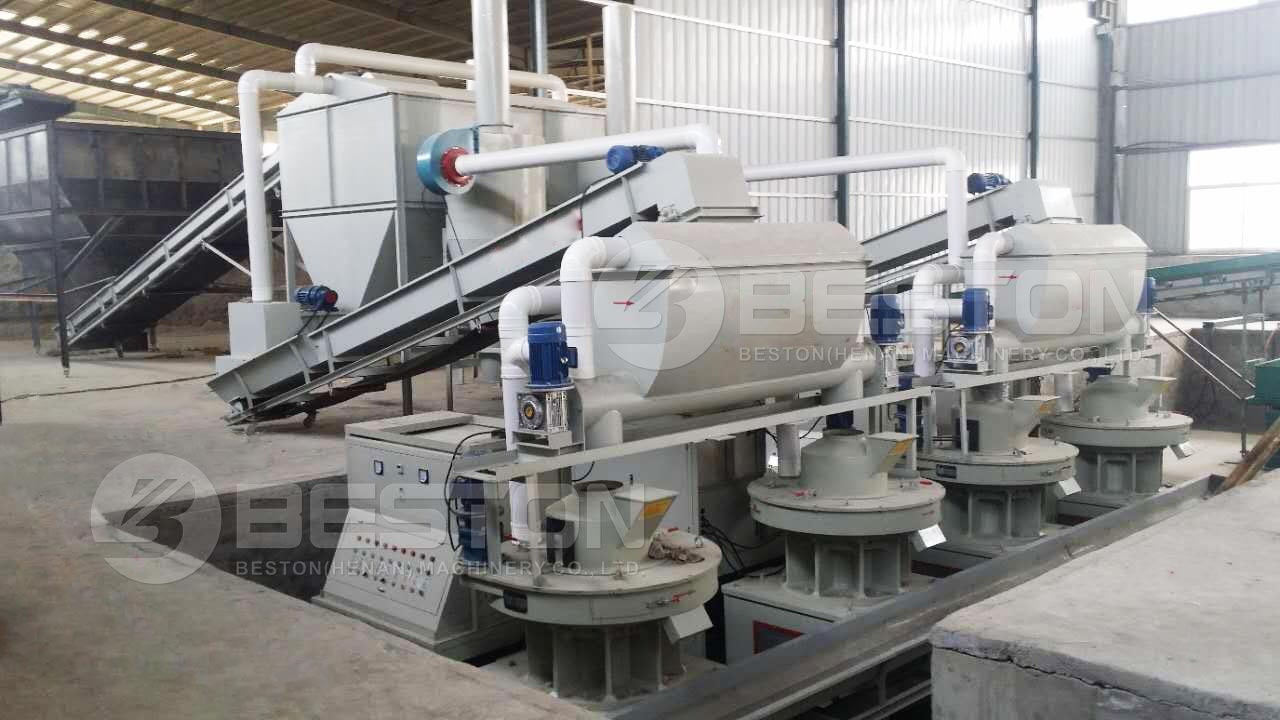
Operational Stability of Charcoal Making Machine in Long-Term Projects

The operational stability of a charcoal making machine is crucial for long-term projects in the biomass energy industry. As the demand for sustainable energy solutions grows, businesses are increasingly relying on biochar and charcoal production to meet environmental goals. However, ensuring that these machines operate efficiently over extended periods requires careful consideration of design, maintenance, and adaptability to various raw materials.

Design Considerations for Stability

One of the primary factors in ensuring the operational stability of a charcoal making machine is its design. Machines equipped with a high-quality biochar reactor for sale are generally more robust and capable of handling the stresses of continuous operation. The biochar reactor plays a pivotal role in the pyrolysis process, where organic materials are heated in the absence of oxygen to produce biochar. A well-engineered reactor can reduce wear and tear, improve energy efficiency, and enhance the overall lifespan of the equipment.

Additionally, the material of construction and heat-resistant components used in the design significantly impact machine performance. Stainless steel, for example, is commonly chosen for its corrosion resistance and durability under high temperatures. The ability to handle varying moisture levels in biomass, such as rice husks, further adds to the operational reliability of the machine. The rice hull carbonizer, for instance, is designed to efficiently convert rice husks into charcoal while maintaining consistent operational efficiency.

Maintenance for Longevity

The stability of a charcoal making machine in long-term use is also heavily influenced by the maintenance practices employed. Regular inspections, cleaning, and lubrication can prevent the buildup of carbon deposits that could hinder machine efficiency. Scheduled maintenance ensures that parts such as the conveyor, drum, and biochar reactor remain in optimal condition. For businesses operating large-scale biochar plants, investing in a robust preventive maintenance program can significantly reduce downtime and costly repairs.

In addition to scheduled checks, operators should be trained to identify early signs of wear, such as excessive noise, temperature fluctuations, or unusual output characteristics. These proactive measures allow businesses to address issues before they result in significant malfunctions or system failures, ensuring that the machine runs efficiently for the long term.

Adaptability to Raw Materials

A charcoal making machine’s ability to adapt to different raw materials is essential for operational stability. The feedstock used, whether wood, agricultural waste, or rice hulls, can vary in moisture content and density. The machine must be capable of handling these fluctuations without compromising its performance. The rice hull carbonizer, for instance, is specially designed to process rice husks, a commonly available agricultural waste material in regions like Ghana. However, the system’s ability to switch between different types of biomass without requiring extensive modifications is a key attribute for operational stability.

Flexibility in feedstock processing allows companies to maintain consistent output, even when raw material supply fluctuates. This versatility also ensures that the biochar plant can continuously meet production targets, regardless of seasonal changes or supply chain disruptions.

The Role of Automation in Long-Term Stability

Automation technology plays an important role in improving the operational stability of charcoal making machines. Advanced control systems enable operators to monitor and adjust various parameters such as temperature, pressure, and material feed rates in real time. This reduces the risk of human error and enhances machine efficiency. For example, automated systems in a biochar plant can adjust the heat input based on the moisture content of the biomass, ensuring optimal conversion rates and reducing the risk of damage to the machinery.

Furthermore, automation helps optimize energy usage, which is critical for reducing operational costs. With the increasing demand for charcoal and biochar, machines like the charcoal making machine in Ghana are becoming increasingly automated, offering greater precision in the pyrolysis process.

Conclusion

The operational stability of a charcoal making machine is essential for the success of long-term projects in the biochar and charcoal production industries. By focusing on robust design, proactive maintenance, adaptability to raw materials, and leveraging automation, businesses can ensure the sustained performance of their equipment. As the industry grows, the continuous development of more efficient and durable charcoal making machines will contribute to the advancement of sustainable energy solutions worldwide.
Reasons To Use A Biomass Carbonization Machine

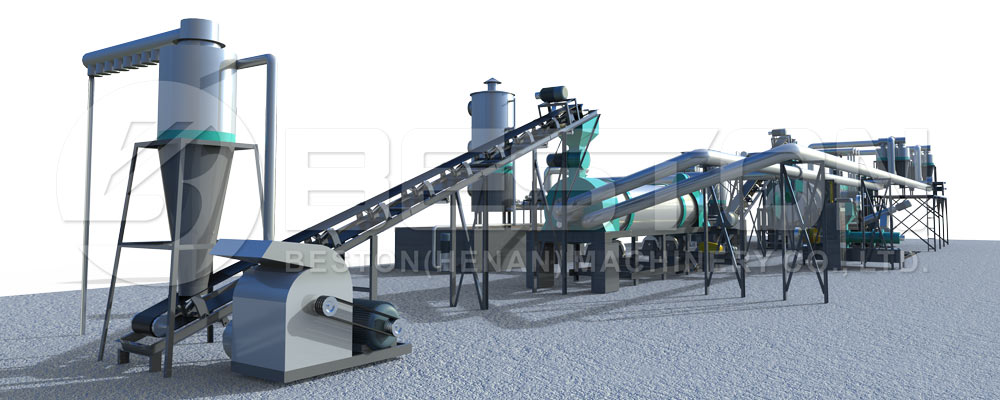
As things stand, you may find that it may be very easy converting biomass raw material to charcoal; thus sawdust will no longer be a problem. Thanks to advancements in tech, this has been made that much practical with a biomass carbonization machine(planta de carbonización) that transforms biomass raw material to charcoal. Carbonization is basically a chemical procedure that entails disintegrating complex materials like sawdust by heating them. Going with the premise of the name, this biomass carbonization machine utilizes carbonization tech. These machines generally comprise a double-layer design suitable for ascertaining the lower region of the equipment gets optimum heat, concentrating on refining heat efficiency.

You can make use of biomass wastes available as the standard raw material. These include things like corn cob, sunflower seed shells, coconut shell, peanut shell branches, rice husks, sawdust, straw, wood chips, and so on. Any of the aforementioned raw materials can be beneficial when it comes to creating charcoal briquettes.

Coconut Shell Charcoal Machine

Advantages of using a biomass carbonization machine

Utilizing a biomass carbonization machine (hornos metalicos para hacer carbon) to change charcoal into sawdust can prove to be quite advantageous because of the following:

-You are guaranteed high-performance

-It has a long shelf life, often 5+ years

-The carbonizing period is short

-Cost-effective and reasonably priced

-Environmental friendly

Carbón
Carbón Negro

Unique Properties of Charcoal Made from the Biomass Carbonization Machine

-It yields clean fuel that’s friendly to the environment and delivers a better option to traditional charcoal since it discharges fewer emissions

-Given how the yield is entirely natural, the waste and leftovers of charcoal briquettes are fewer. This means that the remains can be utilized as fertilizers via waste recycling
-Compared to basic charcoal, it delivers more heat and burns thanks to its higher thermal efficiency

-You can purchase more than one biomass carbonization machine (https://www.bestoneco.com/maquina-para-hacer-carbon-vegetal/) considering how they are budget-friendly

Final Products and their Applications

When making use of a biomass carbonization machine to make charcoal from sawdust, the end products you can expect include:

-Combustible gas

-Wood tar

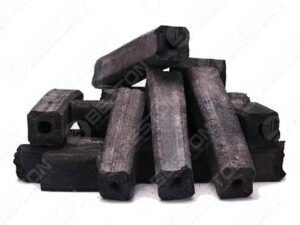
-Charcoal


For some time now, coal coke has been beneficial in various applications like steel and iron manufacturing(Detalles de la empresa Beston) in the metallurgy sector. Of late, the usage of coal coke as a viable fuel source has shifted because of its intolerable side effects. With people becoming more environmentally conscious, charcoal briquettes have come into the fold due to their environmental friendliness, unlike the traditional coal. Because of this, charcoal usage in the metallurgy sector has received massive traction.

i). Charcoal – Charcoal is given off from sawdust after making use of the biomass carbonization machine can be utilized in various fields like:

*Industry – Can be used as fuel to power machinery or can be further transformed into carbon powder as well as other viable carbon materials

*Agriculture – Considering how it’s an all-organic substance, it can be used as a fertilizer to enrichen the fertility of soil

*Recreational use – Can be used to barbecue meat

ii). Wood Tar – In the veterinary spectrum, insoluble tar is an integral component because it can be utilized as an antiseptic.

iii). Biogas – The biogas can be applied in an array of sectors like agriculture (heating purposes), daily life (as fuel), and industry (to power generators).

The Different Applications of a Pellet Maker Machine

A wood pellet machine uses easy-to-obtain raw materials like rice husk, palm husk, wheat straw, paddy straw, sawdust, and groundnut shell to produce wood pellets used in homes and different industries. This type of biomass is becoming increasingly popular due to its affordability. You can start a profitable business if you start manufacturing and supplying wood pellets. But for that, you will need a pellet maker machine. This type of pellet maker machine has two huge markets: residential and industrial.

Pellet Making Machine

Residential users

It’s not that only industrialists can use a pellet maker machine. Even homeowners use these machines to produce wood pellets to keep their homes warm. You will often see schools, offices, business buildings, and apartments with sacks of wood pellets. There is a continuous demand for these pellets throughout the year, especially during winter. Many homeowners even stock wood pellets before winter arrives to skip the rush for last-minute orders. If you don’t want to buy pellets at a significantly high cost, you can buy a machine that makes these pellets. Get biomass pellet making machine here.

A diesel flat die wood pellet mill or small electric wood pellet mill is ideal for household purposes. They are best for small-scale wood pellet production. You can use the pellets for barbecues or as fuel in your fireplace. It eliminates the need to buy expensive wood to keep your house warm during winter.

Industrial customers

Most industries use a ring die wood pellet mill for large-scale wood pellet production. You can source the raw materials easily and produce wood pellets in bulk. This is suitable for those who want to start a business of selling wood pellets.

Apart from starting a wood pellet business, many industries also use wood pellets as machine fuel. This helps the environment as the industries don’t have to rely on fossil fuels and burn natural resources. The industries that require fuel in high quantities regularly are now investing in wood pellet making machine for sale to cut down fuel costs and help keep the environment clean. It not only makes the process eco-friendly but also cost-effective.

Advantages of using pellet making machines

Most pellet-making machines use sawmill waste and wood logger, including wood shavings, wooden dust, little tree barks, log waste left behind by sawmills, and dead trees infected by insects and pests. This means you don’t have to purchase expensive raw materials to make the pellets. Here are two more reasons for using pellet making machines:

• Economical advantage – Comparing the cost of fossil fuels and wood pellets show that the latter is significantly cost-effective. Moreover, high-quality pellets have a heating value of nearly 16,500,000 BTU/ton. On the other hand, heating oil has a heating value of only 145,000 BTU/ton, making pellets a better alternative.
• Environmental advantage – Apart from being cost-effective, pellet making machines are a boon to the environment. They leave a lower carbon footprint compared to heating oil. Wood pellets emit CO2 approximately at the rate of 7 kg/million BTUs. Heating oil emits nearly 79 kg/million BTUs. It’s easy to decide which fuel is more suitable for the environment.

Start using sawdust pellet making machine today to reduce your fuel costs and make the environment a cleaner and greener place for everyone.